Websites & WooCommerce
Landing pages, business websites, stores and conversion improvements.
Starting priceFrom 290,00 €
Live work is presented with its real destination and useful context. Clearly labeled concept studies can remain as references without being presented as client projects.
See a real starting price, open the closest package, complete the project brief and continue to checkout or request a custom scope.
Landing pages, business websites, stores and conversion improvements.
Custom WordPress plugins, API integrations, CRM tools and automated workflows.
Application MVPs, AI systems, wallets, token launches and Web3 dashboards.
Speed, maintenance, security, SEO and social growth services.
Better-framed work builds confidence faster than a simple list of project names.
Visitors understand the capability range faster when projects are categorized well.
Presentation turns work into brand proof and gives the studio a more serious image.
A portfolio page should feel as polished as the work it is trying to represent.
Live client work is identified clearly and linked to its public destination. Reference studies remain visibly marked so the portfolio never blurs the difference.

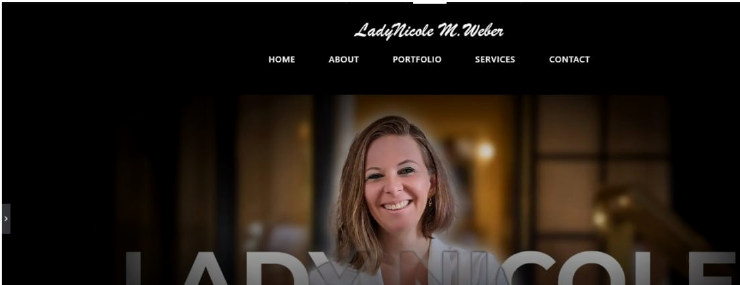
A live personal-brand platform for programs, events, resources and current offers.
Discuss a similar project
Integrated team and HR management platform.
Discuss a similar project
A polished service platform that turns a complex offer into a clear, credible and conversion-ready digital journey.
Discuss a similar project
A layered service platform direction with programs, membership, books, offers and clearer paths into premium digital products.
Discuss a similar project
Brand, programs, funnels, client access and commerce — preserved as a local interactive demo archive.
Discuss a similar project
AI-powered SEO command center for WordPress.
Discuss a similar project
An editable WordPress system designed to keep content, workflows and business-facing pages organised as the company grows.
Discuss a similar project
A campaign and analytics experience that makes performance, audience movement and conversion priorities easier to understand.
Discuss a similar project
A campaign page built around one event, one message, clear urgency and one focused call to action.
Discuss a similar project

E-commerce experience for digital products and programs.
Discuss a similar project
A scalable WordPress structure for service discovery, editable content, project intake and future campaign expansion.
Discuss a similar project
Foundation and campaign web experience.
Discuss a similar project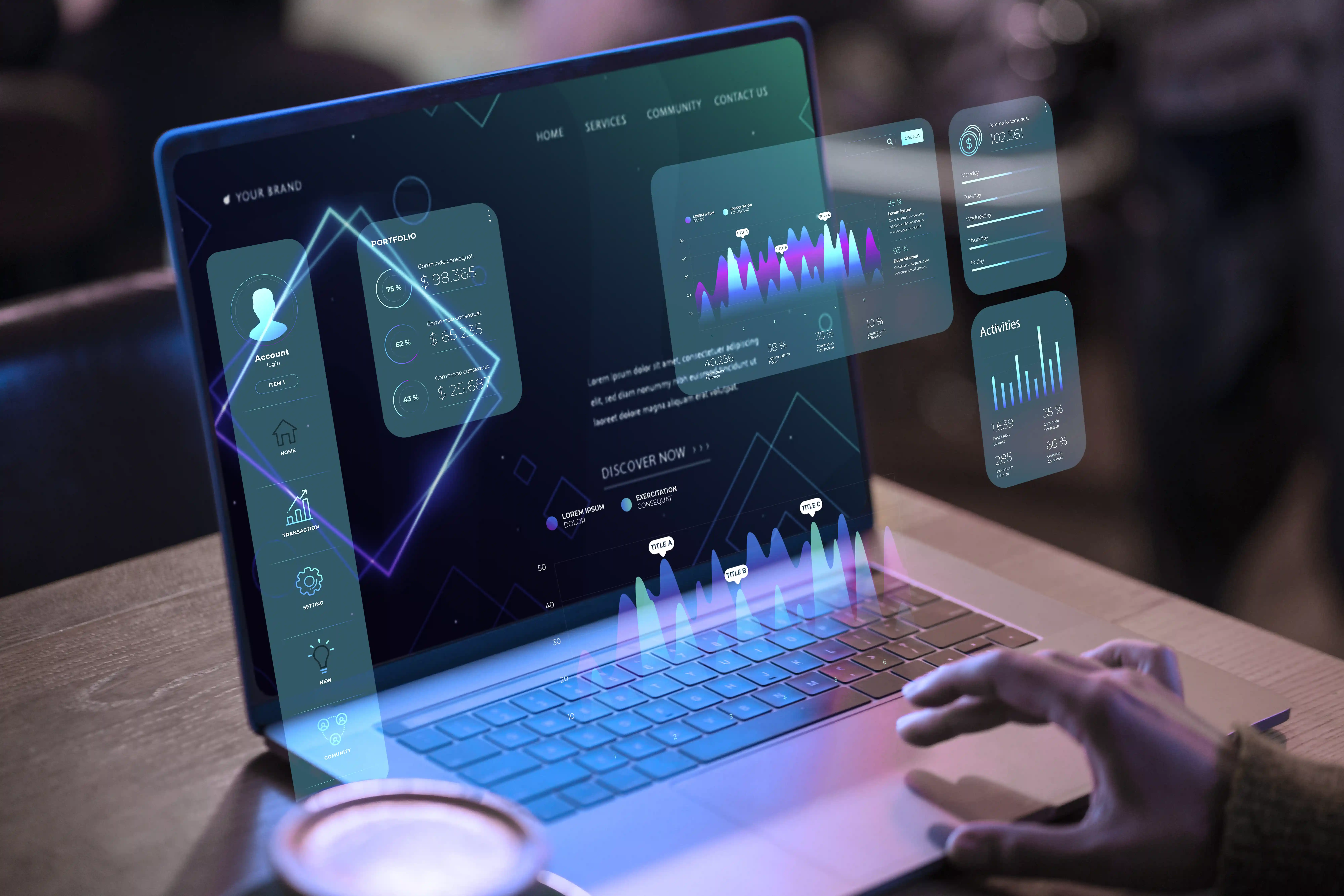
A dedicated token-launch interface with network choice, wallet state, request intake, fee review and activity visibility.
Discuss a similar project
A campaign-focused direction with concise proof, stronger offer framing and a clear action sequence for lead capture.
Discuss a similar project
The stronger the context around each project, the more useful the portfolio becomes for sales and trust.
Best when the goal is to show positioning upgrades, cleaner visual tone, and a more premium business face.
Useful for showing how a single-page journey can be tightened around one clear commercial action.
Great for showing admin-friendliness, content depth, modular pages, and long-term usability.
When a project deserves more than one card, it can be broken into context, challenge, direction, execution, and result.
Start by naming the business problem: weak presence, poor conversion flow, outdated design, or unclear service structure. Then show how the direction was shaped to solve it.
Then move into the actual result: page hierarchy, trust sections, layout rhythm, content logic, and how the project now feels more premium or commercially effective.
A premium portfolio works best when the projects inside it already have sharper design direction and better presentation logic.
Loading service details…